
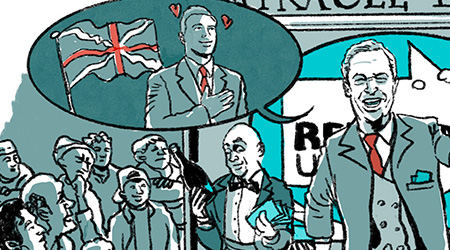
What are the reasons behind the rise of Reform and Farage?
The rise of reform movements and figures like Nigel Farage can be traced to multiple factors reflecting broader political, social, and economic changes. Reform and Farage’s success is due to a combination of personal charisma, clear messaging, populist appeal, media savviness, and a deep connection to voter frustrations with the political establishment, not to mention massive funding from the far-right and corporate donors. Farage has leveraged these factors to build a strong political brand, and his message has resonated with a large portion of the electorate who feel disconnected from traditional politics. Here are the key reasons for Farage’s popularity and the rise of Reform UK:
Farage thrives by controlling political narratives, exploiting opponents’ mistakes, and presenting himself as a populist “ringmaster” of British politics. Farage’s political style involves provocation, media manipulation, and leveraging public controversies, e.g., membership number disputes and health policy ambiguities. Click on the links below to check out the reasons:
- Manipulating Populist Rhetoric
- Emotional appeal
- Far-right Populist narratives
- Simplistic solutions that distract instead of dealing with real issues
- Broken Policy Promises
- Use of outrage strategy to gain attention and recruit supporters
 STOP REFORM UK