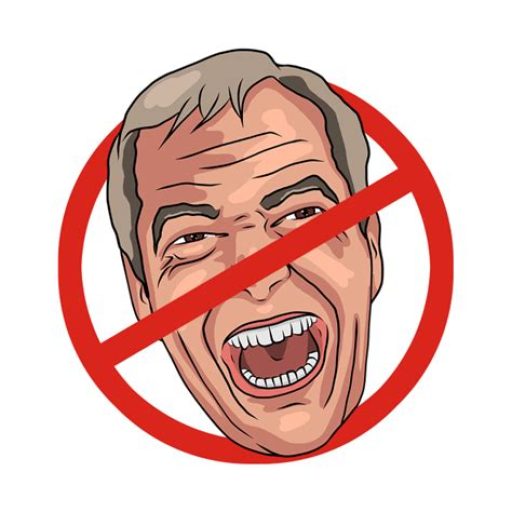
Reform UK’s law-and-order messaging is largely performative and inconsistent with its leaders’ actions and history. Nigel Farage has positioned himself as a champion of “law and order” for Reform UK, promising £17bn to halve crime, build five Nightingale prisons, and deport over 10,000 foreign criminals.
- His rhetoric is deeply selective and racialized, blaming immigrants for sexual assaults while ignoring that most perpetrators are men of all backgrounds. Their law-and-order stance appears selective, targeting opponents while excusing allies, raising concerns about fairness and consistency.
- Nigel Farage plans to repeal the Online Safety Act, a law protecting children from online suicide content, eating disorder algorithms, and extremist incitement. Experts warn this is dangerous, undermining child safety and UK leadership on digital harms, while advocacy groups continue to defend the law and hold tech companies accountable.
- The party’s record mirrors this inconsistency: several former Reform MPs faced allegations or convictions for violent offences, undermining claims of being tough on crime.
- Farage’s own history, including backing Trump, being civilly liable for sexual abuse in the US, and promoting controversial figures, exposes a pattern of moral flexibility.
- RUK record reveals hypocrisy. Party leaders, including Nigel Farage and Lee Anderson, are lenient toward protests and vandalism that align with their political views, such as anti-ULEZ and farmer demonstrations, while harshly condemning environmental activists and other opponents.
 STOP REFORM UK