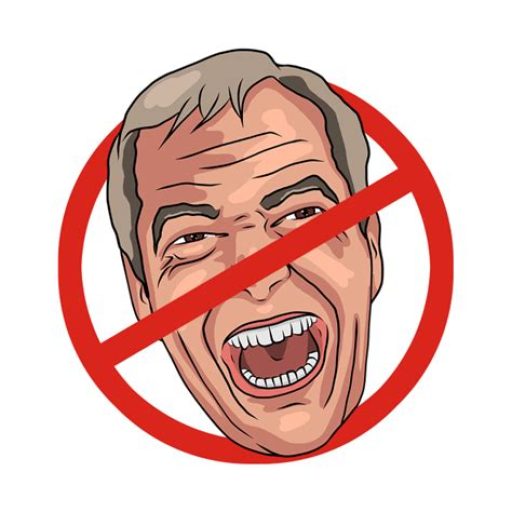
Reform is a personality-driven movement, not a robust political party. It’s success rests almost entirely on Nigel Farage’s personal charisma rather than party substance. Without Farage’s “cult leader” role and constant media exposure, Reform would revert to a marginal fringe party.
A clear sign RUK is a cult is that is core supporters accept the party as an authority and see it as a source of truth they no longer question. Nigel Farage has supporters who now believe ideas that directly contradict what he was saying only a few years ago, yet the shift happened seamlessly, without pause or reflection.
Several ex-RUK members and supporters are calling RUK a cult
Former Reform UK MP Rupert Lowe has accused Nigel Farage of running a “cult of Nigel”, claiming the party operates as a personality cult intolerant of dissent. Lowe said Farage is an entertainer rather than a fit leader. In a BBC Newsnight interview, Lowe said he was suspended after becoming too prominent, describing Farage’s leadership as “brutal” and likening it to eliminating “tall poppies”. Lowe denied allegations of threatening behaviour, which the CPS declined to prosecute, calling them a “political assassination attempt”. Reform dismissed the dispute as irrelevant.
Donna Edmunds, newly elected Reform UK councillor for Hodnet Ward (Shropshire), was suspended after posting on X about plans to defect to another party. She subsequently quit Reform UK.
“Cult” accusation
- Edmunds said: “I thought I was joining a party. It turned out I had joined a cult.”
- She accused Nigel Farage of treating members with contempt and demanding unquestioning loyalty.
Reason for suspension
- Edmunds said she was suspended for urging people to support Reform short-term in local elections, even if they could not back it long-term.
- Party headquarters said this brought Reform into disrepute and damaged its interests.
Internal conflict
- Edmunds described Reform UK as “at war with its own grassroots.”
- She linked her suspension to wider unrest following the leadership’s handling of MP Rupert Lowe’s removal, which she said triggered resignations.
Criticism of Leadership style
- She accused Farage of demanding loyalty rather than earning it.
- Claimed grassroots activists are discarded and replaced by “yes men” showing sycophantic loyalty.
Farage’s charismatic leadership
A key component of Farage’s rise is his personal charisma. His natural ability to energize crowds and command attention has helped him build a strong and loyal following, who are emotionally attached. In a political landscape where image often trumps ideology, Farage has cultivated a strong personal brand. His recognizability and distinctive personality make him a standout figure, especially in contrast to more conventional, less charismatic leaders.
Nigel Farage is widely seen as authentic because of his blunt, plain-speaking style, even when his claims are contested. He contrasts himself with technocratic figures like Keir Starmer by using informal language and cultural references that resonate with everyday experiences.
By presenting himself as a pub-going, beer-drinking “ordinary Brit,” Farage cultivates a “man of the people” persona. Supporters value his willingness to “say what others won’t,” interpreting directness as honesty. This deliberate image-building fosters emotional trust and cultural identification, particularly among voters who feel ignored by mainstream politics.
 STOP REFORM UK