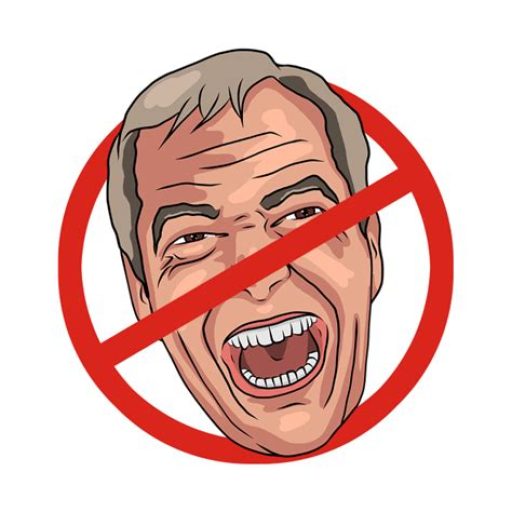
UKIP’s Rise and Farage’s Leadership
- Euroscepticism and UKIP’s Growth: UKIP gained traction after the adoption of proportional representation for European Parliament elections in 1999, with Farage being elected as one of the first MEPs. Over time, Farage used his media presence, including appearances on BBC’s Question Time, to build UKIP’s profile.
- Anti-Immigration Focus: UKIP’s rise was strongly tied to its increasing focus on immigration, especially during the 2004 and 2009 European elections.
- UKIP’s Breakthrough: The 2014 European elections marked UKIP’s peak, with the party winning 24 seats and a record 27.5% of the vote, making it the largest British party in the European Parliament at the time.
Early Roots and Formation of UKIP
- Background of UKIP: UKIP emerged from the division within the British ruling class over EU membership, particularly after Margaret Thatcher’s speech in Bruges (1988) expressing opposition to greater European integration. The party was originally founded as a pressure group to push the Conservative Party toward a more Eurosceptic position.
- Nigel Farage’s Involvement: Farage was an active figure in the formation of UKIP, initially involved in the Anti-Federalist League and later joining UKIP when it was founded. Farage’s early links with far-right groups like the BNP and his own controversial views on race would become recurring themes throughout his political career.
The 2015 General Election and Decline Post-Brexit
- General Election Setback: Despite gaining millions of votes in the 2015 general election, UKIP struggled to win seats in Parliament.
- Brexit and UKIP’s Role: The Brexit referendum of 2016 revitalized Farage and UKIP, positioning them as the strongest proponents of leaving the EU. However, after the Leave campaign won, Farage resigned from the leadership, and UKIP descended into chaos, particularly due to growing links with the far-right.
- Farage’s Brexit Party: Amid UKIP’s internal turmoil, Farage formed the Brexit Party in 2018, drawing from UKIP’s anti-EU base. The Brexit Party surged in popularity, especially in the 2019 European elections, where it won 5.2 million votes and 29 MEPs, taking the largest share of the vote in the UK.
Farage’s Post-Politics Media Career and Reform UK
- Brexit Party’s Decline: Following Boris Johnson’s success in delivering Brexit, the Brexit Party’s support plummeted in the 2019 general election. Farage briefly left active politics, focusing on his media career.
- Reform UK: Farage relaunched his political presence with Reform UK, a rebranded version of the Brexit Party. However, the party struggled in local elections, winning only two seats in 2021, a stark contrast to its previous highs.
- Reform’s Revival: The political chaos within the Conservative Party, especially under leaders like Boris Johnson and Liz Truss, provided an opportunity for Reform UK to revive itself. Farage, using his media influence, launched attacks on the government’s pandemic policies and the asylum seeker crisis, rallying support from right-wing voters dissatisfied with the Tories.
 STOP REFORM UK