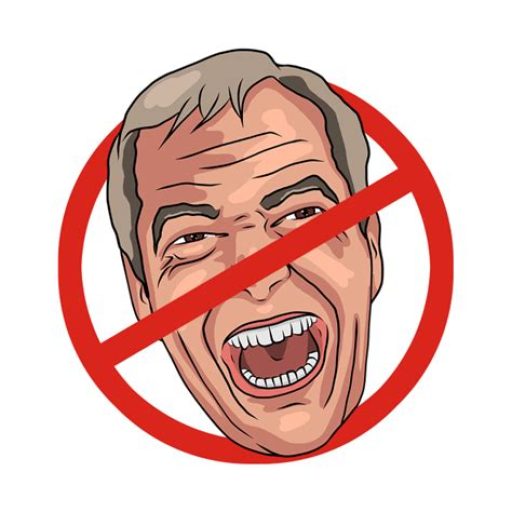
Reform UK’s year-long surge appears to be slowing. After rising rapidly through 2024, the party’s polling has plateaued at around 30% since the summer. A series of controversies and organisational problems are contributing to growing doubts about its stability and competence.
Key pressures include:
- Kent council crisis: A leaked Zoom call showed council leader Linden Kemkaran berating colleagues, leading to multiple councillor expulsions.
- Sarah Pochin scandal: The Reform MP complained about ads “full of black and Asian people,” drawing widespread condemnation. Farage called the remarks “wrong and ugly” but defended the underlying point.
- Internal chaos: Former chairman Zia Yusuf dramatically resigned and returned two days later; the party has lost dozens of councillors since May and gained and lost MPs, leaving them with five.
Reform’s momentum also wobbled after Plaid Cymru won the Caerphilly by-election, despite expectations of a narrow Reform victory—possibly due to increased young voter turnout.
A deeper problem may be the party’s struggle to govern where it holds power. Reform-controlled councils have made symbolic changes (removing LGBT flags, renaming departments) but little substantive progress. They face budget issues, have not delivered promised efficiency audits, and in some cases are considering tax rises—undercutting their core message of fiscal competence.
Despite this, Reform still polls far ahead of all rivals, as immigration remains the public’s top concern and other parties fail to match Reform’s appeal to its older, working-class base. The Greens’ rise is largely among progressive and younger voters, leaving Reform’s core untouched.
But criticisms of being “do-nothings,” wasting money, and failing to manage local government raise questions about whether Reform can translate its anti-immigration messaging into actual governance. If they fail to improve organisational discipline and deliver results, their political honeymoon may not last. (https://mancunion.com/2025/11/14/is-reforms-honeymoon-period-over/)
In October 2025, RUK’s Chair David Bull called for an immediate general election which indicates panic rather than confidence. Do Reform UK think they have reached a peak in popularity and fears decline if time passes?
 STOP REFORM UK