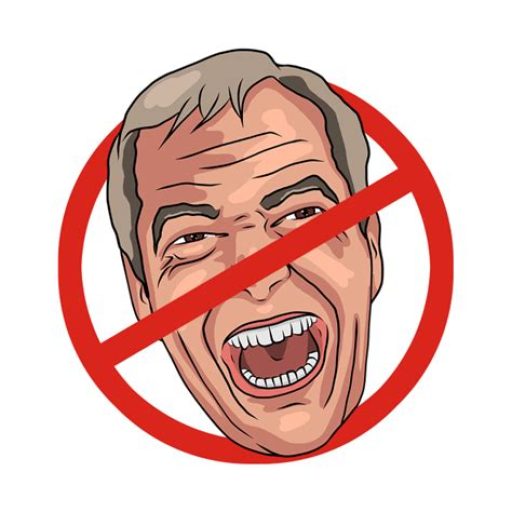
After months of leading in the UK polls, Reform’s support has fallen sharply across multiple major pollsters, partly due to the recent allegations of racist comments from during his school years
Nigel Farage’s Controversial Past and Political Implications
Nigel Farage has a history of racist behaviour, both in his youth and in recent political life. There is a well-documented, long-standing pattern of inflammatory and discriminatory statements, especially targeting Jewish people, immigrants, and minority groups.
Allegations from Farage’s Secondary School
- Former classmates and staff report Farage repeatedly made anti-Semitic remarks in the 1970s. Examples include:
- Students hearing Farage saying “Hitler was right”
- Farage making the hissing sounds of gas chambers around Jewish students.
- Testimonies corroborate multiple incidents over at least a year, indicating a deliberate pattern of abuse.
- Farage claims he doesn’t remember, dismissing it as “banter” or politically motivated attacks, but evidence suggests otherwise.
Nigel Farage and the rise of Reform UK
- Farage has maintained a public persona as an anti-establishment figure, often defending controversial statements as “plain speaking” or misunderstood.
- Reform UK has grown from a fringe movement to a serious political contender that could win 100–200 seats at the next general election based on recent polling.
- His past controversies are now more relevant than ever, due to his party’s rising prominence.
Farage’s Pattern of Controversy
- Anti-immigration comments since the 2010s.
- Racist or xenophobic rhetoric in campaigns, posters, and interviews.
- Comparing protesters to extremists and supporting authoritarian figures abroad.
Challenges to Farage’s Defence
- His defence has consistently relied on portraying critics as politically motivated elites.
- Multiple witnesses, not politically affiliated, support claims of his targeted abuse, making it harder for Farage to dismiss allegations as smears.
- Unlike policy controversies, personal allegations question character, decency, and suitability for leadership.
Farage’s attempts to deflect and distract
- Nigel Farage refuses to speak to the BBC over a presenter’s claim linking him to Hitler.
- Radio 4’s Emma Barnett asked about Farage allegedly making Holocaust-related comments to a Jewish pupil.
- Farage denies ever racially abusing anyone and read a supporting letter from a Jewish schoolmate.
- He criticizes the BBC for hypocrisy, citing its 1970s and 1980s comedy shows with racist and homophobic content.
- Farage demands a public apology for the broadcaster’s past programming.
- He frames the issue as double standards, arguing cultural norms were different in the 1970s.
Reform UK Party Dynamics
- The party faces internal stress between its hardline base and attempts to professionalize.
- Recent resignations and rehirings highlight tensions over Islamophobia and racism.
- Farage’s personal history increases the risk of the party being labeled racist, which could alienate voters.
Contemporary Implications
- Farage’s support for Putin and connections with far-right groups internationally further complicate his public image.
- Media scrutiny may intensify as he moves from protest politics to a potential governing role.
- Allegations raise the central question: Does Farage have the character to lead a diverse modern nation?
Conclusion
- While Farage has previously managed to avoid lasting political damage (thanks to the “Non-stick Nigel” factor), his personal history of racism may become increasingly difficult to deflect.
- The combination of personal allegations, party instability, and rising media attention could challenge his ability to lead and harm Reform UK’s electoral prospects.
 STOP REFORM UK