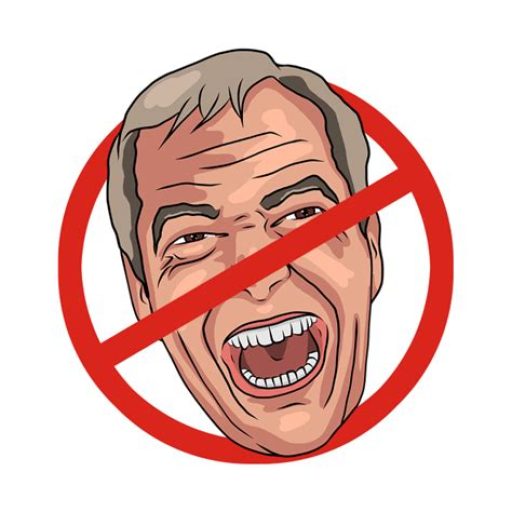
Populists often use emotional appeals, portraying themselves as the voice of the “common people” against a corrupt elite, and they may employ divisive rhetoric to create a sense of crisis or urgency.
Modern politics is about identity, emotion, and tribal belonging, not logic or reason. It is no coincidence that Trump’s first term started in the year “post-truth” was the word of the year.
Emotional and Identity-Based Appeals
- Modern political debate is driven by outrage and emotion, not logic/evidence or policy detail.
- Media and social platforms reward emotional content with clicks and engagement, with intensity trumping nuance
- Most political ads contain no policy, only emotional cues.
- Brain scans show emotional centres activate when people face facts contradicting their beliefs.
- Cognitive shortcuts:
- Human brains rely on fast, emotional “lizard brain” decisions rather than slow rational analysis.
- This evolved for survival but is easily exploited in complex political environments.
- Confirmation bias intensified:
- People defend their political “team” emotionally, like sports fans. Many RUK supporters see the party as their new political tribe.
- Studies show people support policies purely based on party labels, not content.
How politicians exploit this
- Fear narrows choices and pushes fight-or-flight reactions. Feed supporters a constant stream of threats in order to prevent them engaging their frontal cortex, the reasoning part of their brain.
- Hope delivers dopamine-driven motivation and group belonging (e.g. “Yes We Can”).
- They tell a story: that something valuable has been stolen and only they can return it. Constant reference to “the Britain we used to know.” Slogans like “Take Back Control” or “I want my country back” evoke a sense of loss, patriotic duty and promise restoration (nostalgia). This creates belonging and urgency to “defend” national identity.
- Cultural Resonance: They tap into cultural sentiments, emphasizing national identity and traditional values, which can resonate strongly with certain voter demographics.
Critic of Political Correctness
Farage’s opposition to political correctness, which he often frames as an assault on free speech, appeals to voters who feel that the liberal cultural agenda is overreaching and restricting open debate.
 STOP REFORM UK