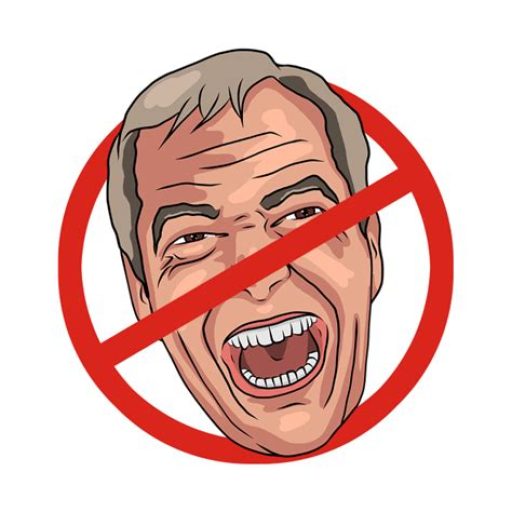
Reform UK has topped British opinion polls through most of 2025, polling around 30%, roughly ten points ahead of Labour. Although a Reform government and Farage premiership are now as plausible rather than fringe, a general election is not required until 2029. A lot could happen before then. Constant media and political fixation on Farage is making the idea of a Reform government feel increasingly inevitable. If current trends persist and Reform secures around 30% nationally, First Past the Post (FPTP) could propel Nigel Farage into Downing Street, even without majority public support.
Why power looks possible:
- Around 30% of the vote is a critical threshold under FPTP, where the system begins to reward rather than punish parties.
- Polling and MRPs suggest Reform could become the largest party with a minority of votes (e.g. ~26% translating into ~42% of seats), with a small swing delivering a majority.
- Reform has already exceeded expectations in English local elections and could plausibly win the Welsh Senedd and become second-largest in Scotland.
Political environment:
- Britain is in a period of mainstream collapse: Conservatives have lost millions of voters since 2019; Labour governs with a large seat majority but only about a third of the vote.
- Keir Starmer’s cautious, technocratic style, plus scandals and crises, repeatedly create openings for Farage.
- Constant media focus on Farage’s deliberately polemical statements, much like Trump’s rise in the US, reinforces a false sense of inevitability.
Reform’s appeal:
- Thrives on an anti-system mood, resonating with ~40% of voters who feel institutions should be torn down rather than reformed.
- Frames Britain as unsafe and broken, with immigration as the central grievance.
- Advocates mass deportations and stronger executive power over courts, presented as “restoring justice.”
Farage’s strengths:
- Highly disciplined communicator with sharp instincts.
- Cultivates an “everyman” persona while avoiding explicit racial or religious rhetoric.
- Uses allies to float extreme ideas while he remains plausible.
- Flexible, grievance-driven politics that avoid the burdens of governance.
Weaknesses and risks:
- Party organisation remains thin, young and sometimes amateurish.
- Reliance on donors, culture-war symbolism and gimmicks creates fragility.
- Governing locally could expose competence gaps.
- Dive deeper into the evidence here
A Broader dynamic:
- Farage’s rise is widely framed as exploiting democratic weaknesses—disinformation, dark money and FPTP distortions—rather than building majority consent.
- The same anger, distrust and disillusionment that powered Brexit are realigning and being politically weaponised again.
 STOP REFORM UK