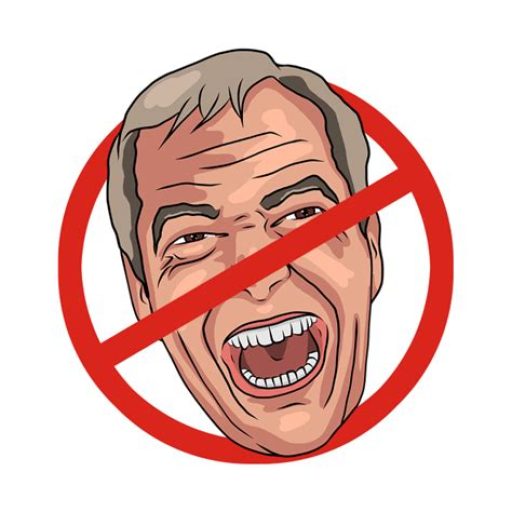
The UK left the EU in 2020 but none of the promised benefits have appeared and Brexiteers are still arguing whose fault it is. Most people now regret leaving and want to rejoin the EU. Farage is well known to be behind the Brexit campaign and his campaigning for it is blamed for the UK’s current economic struggles, including increased costs of living, poor trade deals, and loss of international influence. His praise for Brexit contradicts the fact that it has made Britain poorer.
In an interview in 2023 Farage was asked about Brexit
He said: “Brexit has failed,” he added. “We’ve not delivered on Brexit and the Tories have let us down very, very badly.” He was asked if the U.K. would have been better off remaining in the EU Farage insisted he didn’t “think that for a moment.”
He also said: “We haven’t benefited from Brexit economically when we could have done.
So he still supports Brexit even though he recognises it is an economic failure.
(Sources: https://www.politico.eu/article/nigel-farage-uk-eu-brexit-has-failed/, https://news.sky.com/story/nigel-farage-says-brexit-has-failed-and-economy-has-not-benefited-but-downing-street-disagrees-12882281)
Farage comments at BBC Question Time in December 2024
Farage debated Alastair Campbell over Brexit saying:
“You are the worst loser in history, Alastair.
“Get over it! It was eight years ago! Move on! It’s done! It’s done!”
“This major decision was taken eight years ago,” Farage replied. “It gave us the chance to be significantly richer, to control our borders, all those things, and sadly, this mob – the Tories – didn’t do anything.
“We’d have joined the euro if you had your way back 30 years ago.”
Response
1. Nigel Farage’s Struggles Post-Brexit
- Farage is struggling to maintain a coherent position on Brexit now that the UK has left the EU. The initial hypothetical debates around Brexit have transformed into a tangible reality with long-term consequences.
- His argument that Brexit was “8 years ago” misses the fact that the fallout from Brexit is ongoing, and its ramifications continue to unfold today. He has no concrete plan to deal with the negative consequences that many are feeling.
2. Broken Promises
- Farage has made multiple promises that he has not kept. These include his promises related to the Brexit Party, his assurances on immigration, and his position on standing for parliament. His failure to honour these promises reveals a deep inconsistency in his political approach.
3. Brexit’s Negative Outcomes
- Farage’s rhetoric about Brexit being a success has been increasingly harder to maintain. The reality is that Brexit has resulted in a range of issues that Farage himself cannot ignore, including economic challenges and political fragmentation.
- Farage’s claim that Brexit is “better than staying in the EU” rings hollow when confronted with the practical consequences, and he fails to explain how the promises made during the referendum campaign were ever meant to be fulfilled.
4. The Euro and the EU’s Future
- The claim that the UK would have to join the Euro if it had stayed in the EU is a misleading narrative. Many EU countries (such as Poland) have remained outside the Eurozone for many years.
Farage interview in February 2025 on BBC Radio 4 Today Program
Farage generally focuses on what he or his parties wouldn’t do on issues such as the EU, trade, economy and immigration, rather than presenting clear, actionable policies. This was on full display during an interview on BBC Radio 4 Today Program. Key points:
1. Farage’s Contradictory Position on the EU and US
- Farage admits Boris Johnson’s trade deal with the EU was poor.
- Advocates for better relations with the EU but also opposes deeper collaboration.
- Claims a US trade deal is necessary, but doesn’t explain how this fits with improving EU ties.
2. The Limited Value of Free Trade Agreements (FTAs)
- FTAs are mostly about reducing tariffs and offer diminishing returns.
- Recent FTAs with countries like Australia and New Zealand have minimal impact on the UK economy.
- A US deal would offer even less economic benefit compared to closer ties with the EU.
3. The US Trade Deal: A Losing Proposition
- Trump’s “America First” approach means the US expects one-sided deals.
- A trade deal with the US risks lowering UK standards (e.g., healthcare costs, food safety).
- Even under a best-case scenario, a US trade deal would be far less beneficial than enhanced EU relations.
4. Geography and Trade: Why the EU is More Valuable
- The EU is geographically closer, making trade cheaper and more efficient.
- The UK trades more with the EU than with the US, so a better deal with the EU would have a greater impact on the UK economy.
5. EU Willingness to Cooperate
- The EU is open to discussions about better access to the single market and customs union.
- Farage’s reluctance to acknowledge this opportunity undermines UK economic interests.
6. The Reality of Brexit Red Tape
- UK businesses already comply with EU regulations to trade with the EU oir they would be able to sell their goods there.
- Aligning UK law with EU standards could reduce unnecessary red tape and paperwork caused by leaving the EU and make trade easier for British businesses.
(Sources: https://www.youtube.com/watch?v=v72Ayx36HEo, https://www.youtube.com/watch?v=M_Tk_YO9NQI, https://www.huffingtonpost.co.uk/entry/emma-barnett-slaps-down-farage-for-avoiding-brexit-question_uk_67a1cc7ee4b0ec9b03542499)
 STOP REFORM UK